Kenya has no monopoly on the classic savannah game drive, and Rwanda’s Akagera National Park proves it. If you are weighing an Akagera vs Nyungwe safari, you are comparing two trips that sound similar but feel completely different. Akagera spreads across rolling grassland, acacia woodland and lakes in the east. Nyungwe climbs into the montane rainforest of the southwest. One offers lions from a game-drive vehicle. The other offers chimpanzees from a forest trail.
Akagera vs Nyungwe Safari: Which Park Is Better for Wildlife?
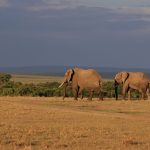
Choose Akagera for large mammals, predators, savannah scenery and Rwanda’s strongest traditional game-drive experience. Choose Nyungwe for chimpanzees, monkeys, forest birds and rare Albertine Rift species. Akagera is Rwanda’s only savannah park and supports the Big Five, while Nyungwe is a primate-focused rainforest where wildlife is usually encountered on foot or high in the canopy.
Akagera’s savannah gives you wide sight lines and reliable places to search. Its lake and wetland areas add another layer. You can spend a morning scanning for lions and an afternoon drifting past hippos on Lake Ihema. This is an accessible style of wildlife viewing for first-time safari travelers.
Nyungwe asks for patience. The forest hides its stars behind leaves and mist. You may hear chimpanzees before you see them. A troop can move quickly, and guides rely on radio contact and recent sightings. The reward is a feeling of being inside the wildlife’s home rather than watching it from a distance.
Neither park is better in any final sense. They simply reward different kinds of travelers. If you want classic Big Five safari viewing in open country, Akagera wins. If you want primates and specialist forest birds, Nyungwe gives you something Akagera cannot.
What Activities Do Akagera and Nyungwe Offer?
Akagera offers morning and afternoon game drives, boat trips on Lake Ihema and relaxed wildlife viewing from a vehicle. Nyungwe is more active, with chimpanzee trekking, forest hikes, birding, waterfalls and the canopy walkway. Pick Akagera for accessible safari viewing. Pick Nyungwe if walking, primates and forest exploration matter more.
Akagera game drives generally run in the early morning and late afternoon. Heat slows wildlife in the middle of the day, so lodges often arrange a rest period before an evening drive. A boat safari on Lake Ihema is a welcome change of pace. Expect hippos, crocodiles and many waterbirds from the water.
Nyungwe is a different physical challenge. Chimpanzee trekking can start before sunrise and requires walking on muddy trails at high altitude. The effort depends on where the chimps spent the night. Some treks are short. Others take most of the morning. Time with the group is limited once you find it, so every moment counts.
If you want a less strenuous day, the Nyungwe canopy walkway and waterfall trails offer a mix of movement and forest scenery. Birders will find the park a far richer stop than Akagera. Travelers who have also looked at Uganda will see differences in terrain and group size in our Nyungwe chimpanzee trekking guide compared with Kibale.
How Much Time and Cost Does Each Park Need?
Akagera is usually simpler for a short safari from Kigali, while Nyungwe costs more time because it lies roughly six to seven hours away by road. Both parks can charge park entry separately from activities, so budget for transport, guiding, accommodation and experiences such as chimpanzee trekking or the canopy walk rather than comparing entrance fees alone.
The Akagera vs Nyungwe safari cost comparison usually comes down to trip length and activity permits, not gate fees. Akagera works well for a shorter stay because the road from Kigali is manageable. Nyungwe requires extra nights to justify the drive. A chimpanzee trek permit does not cost as much as a gorilla permit, but it can still be one of the largest single line items on a Nyungwe trip.
Use the same budget method you would use in Kenya or Tanzania. This East Africa safari budget breakdown shows how transport, accommodation and guided activities combine. Rwanda adds its own permit and entry fees, but the fixed costs follow a similar pattern.
| Planning factor | Akagera | Nyungwe |
|---|---|---|
| Landscape | Savannah, woodland, lakes and wetlands | Montane rainforest |
| Signature wildlife | Big Five species, hippos, waterbirds | Chimpanzees, colobus monkeys, forest birds |
| Main experience | Game drives and a boat safari | Chimpanzee trekking and the canopy walk |
| Road time from Kigali | Usually about 2.5 to 3 hours | Usually about 6 to 7 hours |
| Suggested minimum stay | Two nights | Two nights |
Do not treat road time in Rwanda like a flat highway drive. Routes are winding, and drivers often factor in meal stops and rest breaks. If you are on a tight schedule, confirm exact transfer timing with your safari operator before booking.
When Is the Best Time to Visit Akagera or Nyungwe?
Visit Akagera during the drier months for easier road conditions and better concentration of animals around water, but expect greener scenery and some excellent birding during wetter periods. Nyungwe remains a year-round forest destination, although rain can make trekking muddy and sightings less predictable. Chimpanzee trekking depends on recent movement and habituated groups, not guaranteed encounters.
Akagera follows a familiar savannah pattern. In the dry months, animals gather around water sources and the grass is shorter, which makes them easier to spot from a vehicle. In the green season, the park looks lush and the birdlife is active, but thick vegetation can hide mammals.
Nyungwe is less predictable. No month is completely dry in a montane forest, and rain can arrive quickly. A trek can still go ahead in light rain, but it will be muddier and slower. Chimpanzees move according to fruit availability, so a habituated group sighting is never guaranteed.
Before choosing dates, look at the dry-season versus green-season safari conditions in East Africa more broadly. That guide explains the trade-offs beyond Rwanda, from wildlife visibility to road access and camp availability.
Can You Combine Akagera and Nyungwe in One Rwanda Safari?
Yes, but allow at least five days and accept a long overland transfer. The parks are separated by roughly six to eight hours of driving. A practical plan gives Akagera two nights for game drives and a boat safari, then Nyungwe two or three nights for chimpanzee trekking and the canopy walk. Combining both delivers Rwanda’s clearest wildlife contrast.
Kigali sits between the two parks, so many travelers drive east to Akagera first, return toward Kigali, then continue southwest to Nyungwe. That means some backtracking. A stop in Kigali or near Lake Kivu can break the journey and make the transfer feel less punishing.
If your main goal is chimpanzee trekking in Rwanda, Nyungwe deserves the core of your time. Adding Akagera is worth it only if you also want a full game-drive day. If your main goal is a classic game-drive safari, Nyungwe may feel like a long detour for a very different activity.
What Questions Do Travelers Ask Most about Akagera and Nyungwe?
Travelers usually ask about wildlife quality, days needed, and whether both parks can fit in one trip. The honest answer depends on travel style. A first-time safari planner should start with two questions: do you want open savannah or dense forest, and how much road time are you willing to use?
Which Is Better, Akagera or Nyungwe?
Akagera is better for Big Five wildlife, game drives, boat safaris and open landscapes. Nyungwe is better for chimpanzee trekking, monkeys, forest birds, hiking and canopy views. The best choice depends on whether a classic savannah safari or an active rainforest experience is the priority.
Is Akagera or Nyungwe Better for Wildlife?
Akagera is better for large mammals and predators because it protects Rwanda’s main savannah habitat and supports lions, elephants, rhinos, leopards and buffaloes. Nyungwe is better for primates and specialist forest species, including chimpanzees, colobus monkeys and Albertine Rift birds.
How Many Days Do You Need in Akagera and Nyungwe?
Plan two nights in Akagera for at least two game drives. Add one night in Nyungwe for chimpanzee trekking, or two nights if you want time for the canopy walkway or a forest hike. A comfortable combined itinerary takes five to seven days, excluding extra Kigali or Volcanoes National Park time.
Can You Visit Akagera and Nyungwe on the Same Trip?
Yes. The parks can be combined, but the road transfer is long, usually around six to eight hours depending on stops and conditions. Akagera is commonly visited first before traveling southwest to Nyungwe, creating a trip that combines savannah wildlife with rainforest primates.
How Far Is Akagera from Nyungwe?
Akagera and Nyungwe sit on opposite sides of Rwanda, roughly 280 to 300 kilometers apart by road. The journey commonly takes about six to eight hours because of Rwanda’s winding routes and travel conditions. Breaking the transfer with a Kigali or Lake Kivu stop can make the itinerary more comfortable.
How Should You Compare Safari Operators?
The safest way is to compare fixed itineraries side by side. Send the same travel dates to at least two operators and ask for the same inclusions: park entry, permits, transport, meals and guiding. Browse packages through FindMySafari, Valley Safaris, or Trunktrails Safaris to compare operators on route, guiding style, vehicle and price before you make a decision. You can also book directly with TouringInsights through touringinsights.com for a tailored Akagera and Nyungwe itinerary.
Where Can You Find More Safari Planning Resources?
- Best time to visit Kenya map from SafariPure
- Kenya wildlife tours from Trunktrails Safaris
- Nairobi to Maasai Mara route guide from Valley Safaris
- Compare Kenya safari packages on FindMySafari